

Unleashing Hidden Potential
Basement conversions are the ultimate way to unlock the hidden potential of your home. We specialise in transforming unused, underutilised basement spaces into stunning, functional areas that elevate your living experience. Whether you envision a cosy family den, a luxurious home cinema, or a state-of-the-art gym, our expert team is dedicated to turning your basement dreams into reality.
The Benefits of Basement Conversions
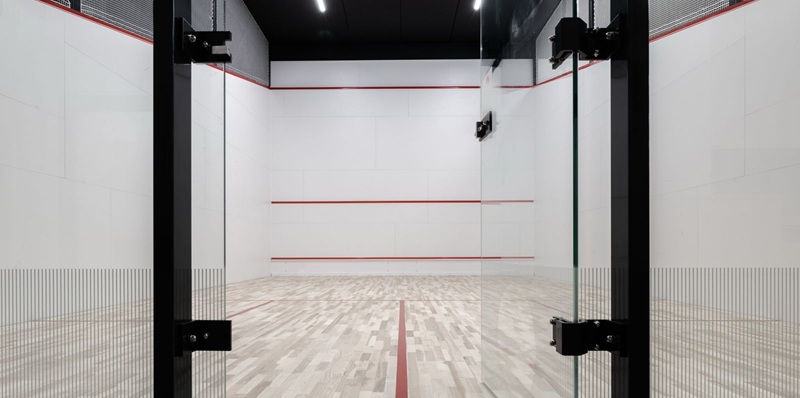
Maximise Space
Basement conversions make use of existing space, creating additional living areas without altering your home's footprint. This is especially valuable in urban environments where space is at a premium.
Whether it's an extra bedroom, a home office, or a playroom, a basement conversion provides versatile solutions to meet your family's needs.
Increase Property Value
A well-executed basement conversion can significantly increase your property's market value. By adding high-quality, functional space, you make your home more attractive to potential buyers.
On average, a basement conversion can add up to 20% to the value of your property, making it a smart investment.
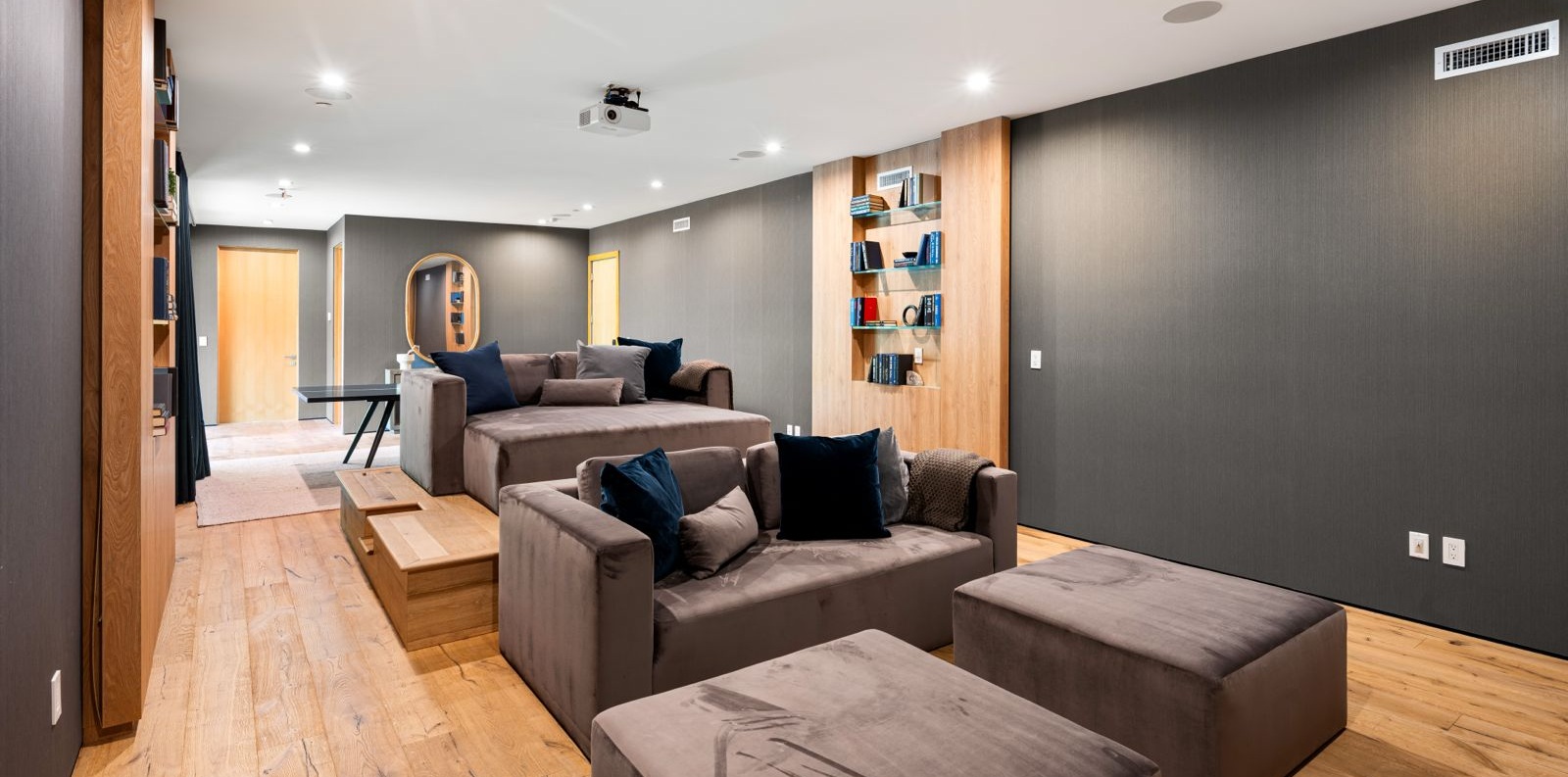
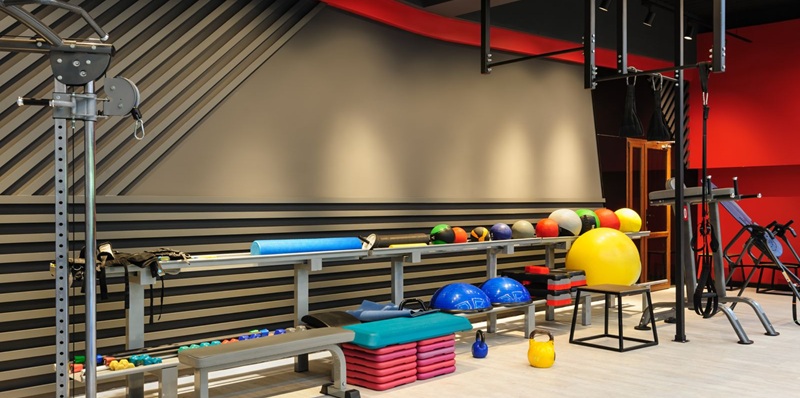
Enhanced Lifestyle
Customised to your lifestyle, a basement conversion can enhance your daily living. Imagine a home cinema for movie nights, a personal gym to stay fit, or a wine cellar for your collection.
The possibilities are endless, and our designs ensure your new space is both functional and luxurious.
Our Basement Conversion Process
We provide a complete handover, including all relevant documentation, warranties, and maintenance advice to ensure your new basement remains in top condition.
Structural reinforcements are carefully planned and executed to ensure long-lasting stability and safety.
Regular site visits and updates keep you informed of progress, and our project managers are always available to address any concerns or changes.
Typical costs for a basement conversion can vary depending on size, complexity, and specifications. On average, a basement conversion ranges from £50,000 to £100,000. More extensive projects with high-end finishes and custom features can range from £100,000 to £250,000.
Our comprehensive quotations cover all aspects of the project, from design and materials to labour and project management.
We provide detailed plans, 3D visualisations, and mood boards to help you visualise the final result.
We handle all planning permissions and building regulations, ensuring a smooth and compliant process.
During this phase, we discuss your ideas, provide initial design concepts, and outline the project scope, ensuring a clear path forward.
Our Basement Conversion Process
A house extension isn’t just about adding space—it’s about enhancing the way you live. Whether you need a functional new workspace, a luxurious open-plan living area, or a larger, more inviting kitchen, an extension allows you to customize your home to suit your evolving needs while increasing its long-term value.
We start with a detailed consultation to understand your vision, needs, and budget. Our experts conduct a thorough feasibility study, assessing factors such as structural integrity, waterproofing, and natural light solutions.
During this phase, we discuss your ideas, provide initial design concepts, and outline the project scope, ensuring a clear path forward.
Our talented designers work closely with you to create a bespoke design that maximises space and meets your aesthetic preferences.
We provide detailed plans, 3D visualisations, and mood boards to help you visualise the final result.
We handle all planning permissions and building regulations, ensuring a smooth and compliant process.
Transparency and accuracy are key to our costing process. We provide a detailed breakdown of all costs involved, ensuring there are no hidden surprises.
Typical costs for a basement conversion can vary depending on size, complexity, and specifications. On average, a basement conversion ranges from £50,000 to £100,000. More extensive projects with high-end finishes and custom features can range from £100,000 to £250,000.
Our comprehensive quotations cover all aspects of the project, from design and materials to labour and project management.
Once the design is finalised, our skilled construction team takes over. We manage every aspect of the build, ensuring high standards of workmanship and adherence to timelines.
Regular site visits and updates keep you informed of progress, and our project managers are always available to address any concerns or changes.
Ensuring your basement is dry and structurally sound is paramount. We use advanced waterproofing techniques and materials to protect your new space from moisture and potential damage.
Structural reinforcements are carefully planned and executed to ensure long-lasting stability and safety.
Upon completion, we conduct a thorough inspection to ensure everything meets our exacting standards and your expectations.
We provide a complete handover, including all relevant documentation, warranties, and maintenance advice to ensure your new basement remains in top condition.
Types of Basement Conversions
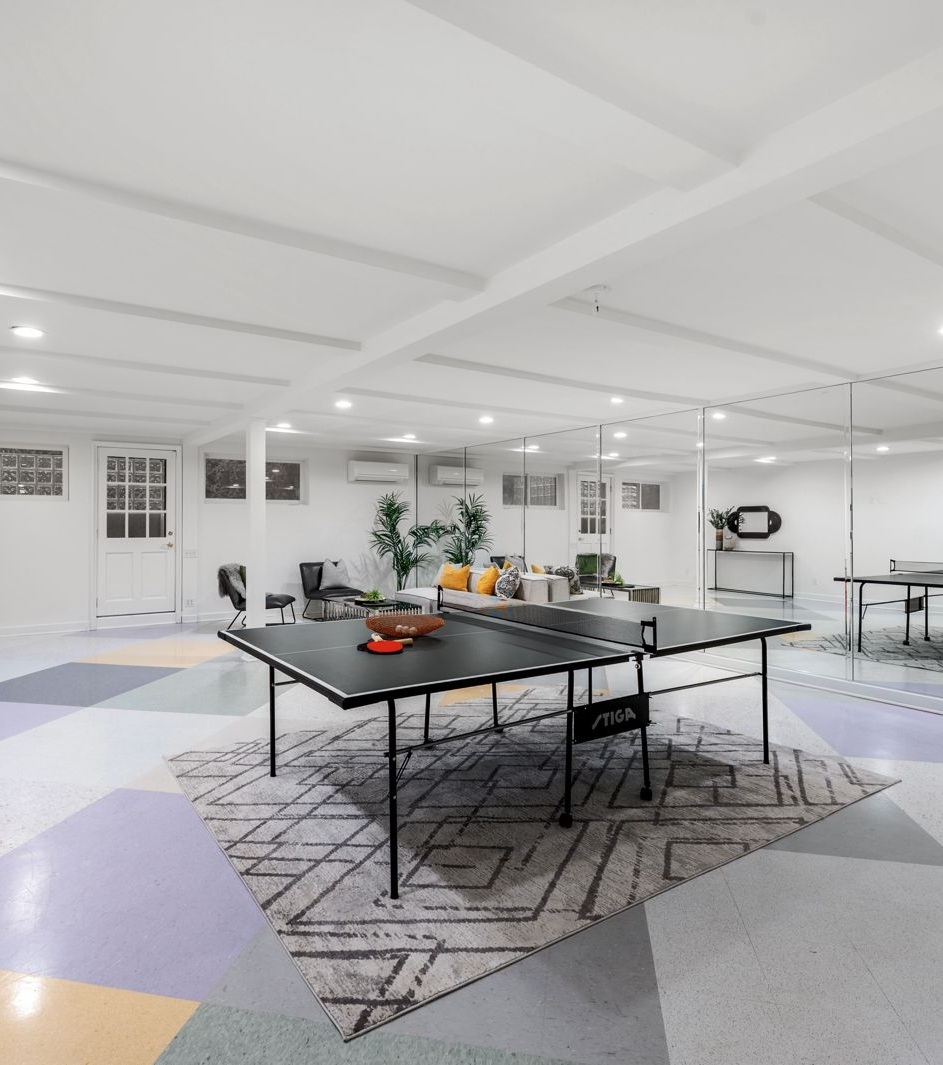
Standard Basement Conversions: Ideal for creating additional living space without extensive structural changes. This option is perfect for adding bedrooms, home offices, or recreational areas.
Typical cost: £50,000 - £100,000
Lowering the Floor: When ceiling height is an issue, lowering the basement floor can create additional headroom. This option involves more extensive structural work but offers greater flexibility.
Typical cost: £80,000 - £150,000
Underpinning: For properties with existing cellars or basements, underpinning can increase ceiling height and create a more usable space. This method involves reinforcing the foundation.
Typical cost: £100,000 - £200,000
Retrofit Basements: If your property lacks a basement, a retrofit involves excavating below your home to create a new basement space. This option provides the most flexibility but is also the most complex.
Typical cost: £150,000 - £250,000
Get Started Today
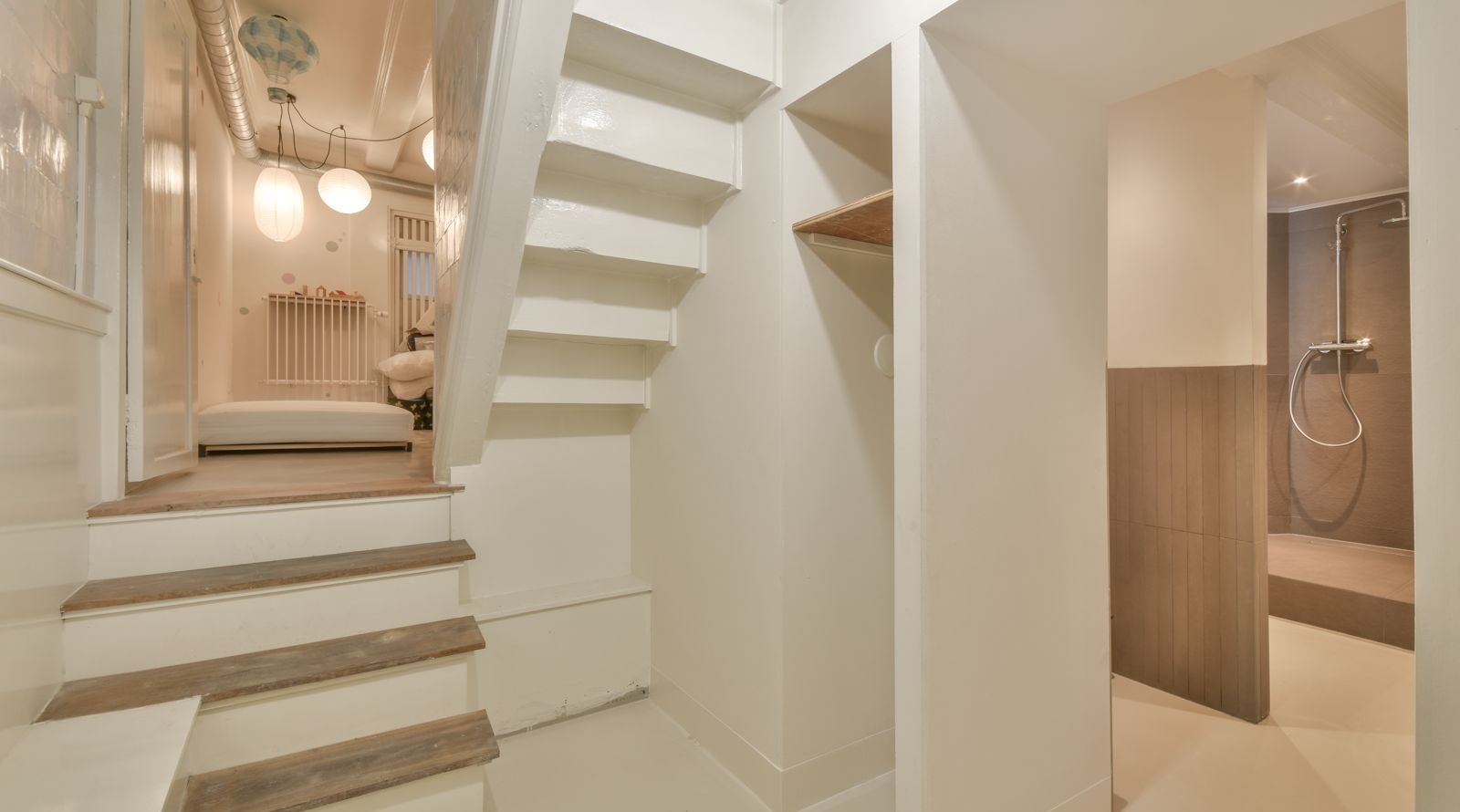
Transform your basement into a beautiful, functional space that enhances your lifestyle and adds value to your home. Contact Build 360 Team today to schedule a consultation and take the first step towards your dream basement conversion.
Explore our portfolio to see the incredible transformations we've achieved for homeowners across London. Let us help you unlock the full potential of your home with a bespoke basement conversion tailored to your needs.


